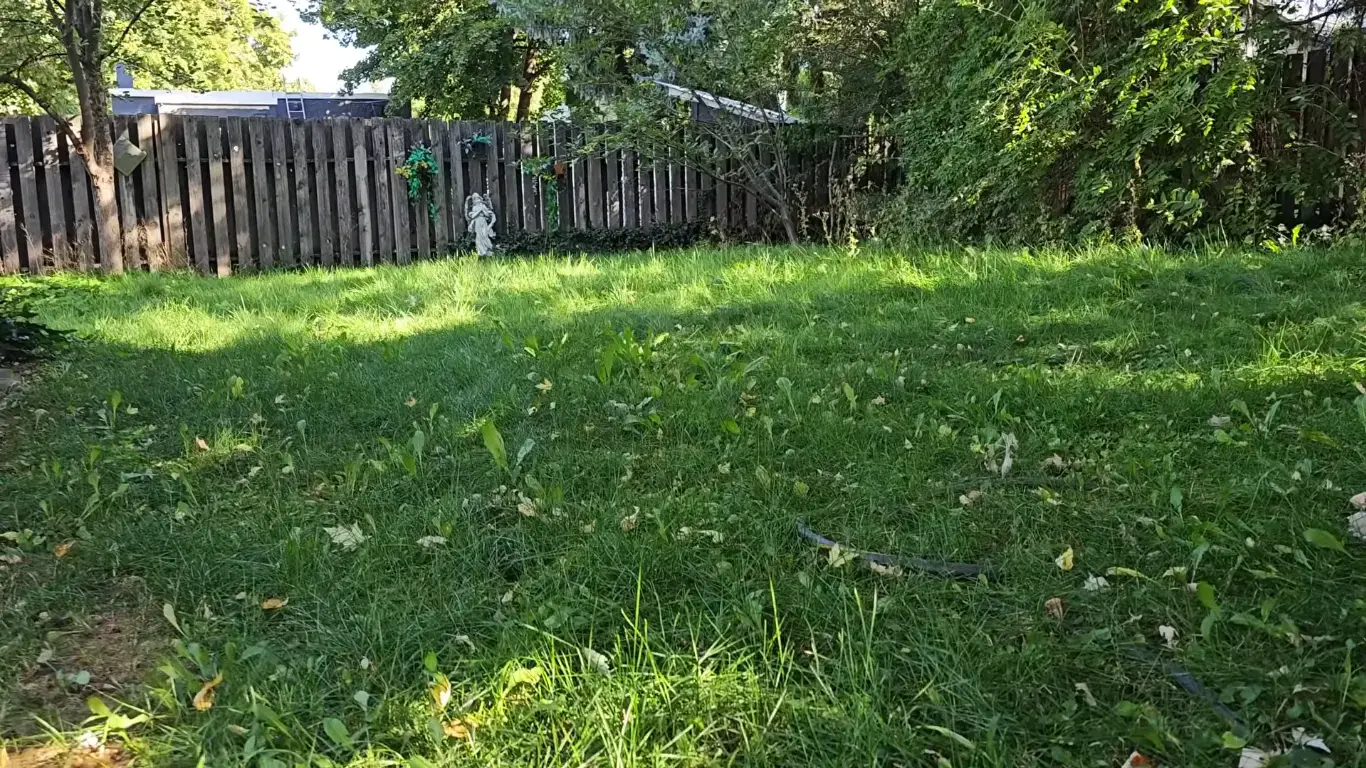
Common Lawn Problems in Abilene, TX (And How to Fix Them)
Abilene lawns face the same set of problems every year. Heat builds. Clay packs hard. Grass thins. Weeds move in. Most of these issues start small and get expensive when ignored.
Here are the most common problems local yards deal with and what actually helps.
Compacted Clay Soil
Lawn problems in Abilene includes soil packs tight and stays that way. Foot traffic, mowing, and dry heat press it down further. Roots struggle for air and water. Water runs off instead of soaking in.
What it looks like:
Hard ground underfoot. Water pooling after rain or irrigation. Thin grass even with regular care.
What helps:
Core aeration opens the soil. It pulls plugs so air and water can reach the roots again. Most yards benefit from aeration once a year, especially those with heavy clay or high traffic.
Heat Stress and Thinning Grass
Long stretches of high temperatures stress the lawn. Shallow roots suffer first. Color fades. Density drops. Bare spots appear.
What it looks like:
Dull gray-green color. Blades that fold or roll. Footprints that stay visible. Thin or patchy areas.
What helps:
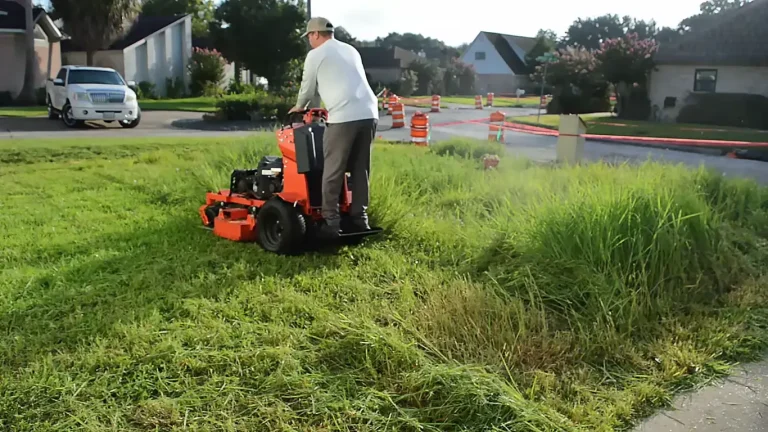
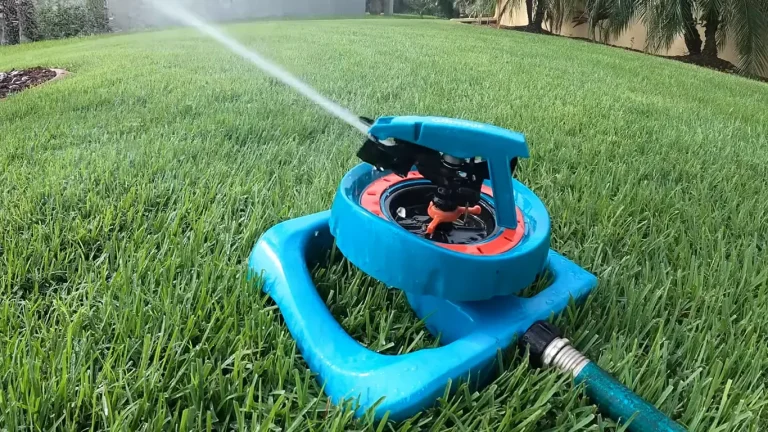
Raise the mowing height during extreme heat. Water deep and less often so roots grow downward. Avoid heavy fertilizer in peak heat. Steady mowing keeps the grass stronger than occasional heavy cuts.
Weed Takeover
Weeds fill any open space. Thin grass, compacted soil, and irregular care create the perfect opening. Crabgrass, dandelions, and other common invaders spread fast once they get a foothold.
What it looks like:
Weeds appearing in thin spots. Rapid spread during warm weather. Grass losing ground in patches.
What helps:
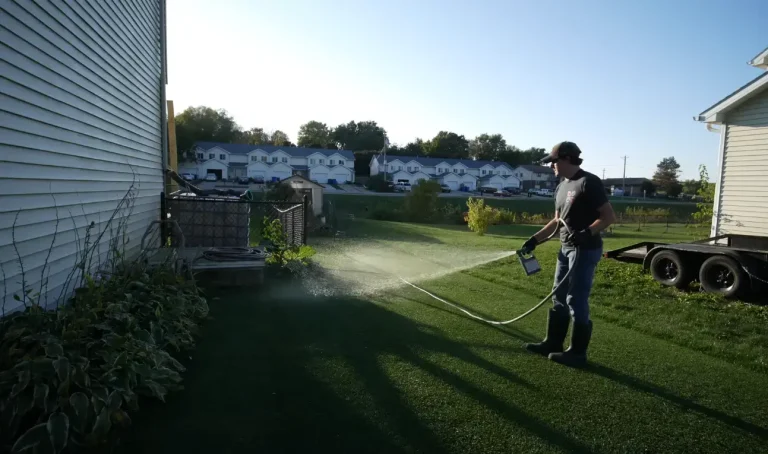
Thick grass is the best long-term defense. Correct mowing height, proper watering, and timely weed control reduce pressure. Spot treatments handle small outbreaks. Broader control may be needed when coverage is heavy.
Incorrect Mowing Height
Cutting too short is one of the most common mistakes. Scalping exposes the soil, speeds water loss, and weakens the plant right when heat stress is highest.
What it looks like:
Brown or yellow tips after mowing. Slow recovery. Increased weed pressure in short areas.
What helps:
Keep Bermuda between 1 and 2 inches. Zoysia around 1 to 2.5 inches. St. Augustine higher, usually 2.5 to 4 inches. Never remove more than one-third of the blade at once. Sharp blades make a cleaner cut.
Nutrient Deficiency and Yellowing
High pH in local soil often locks up iron and other nutrients. Grass can look pale even after fertilizer goes down if the timing or product is wrong.
What it looks like:
Yellow or pale green color despite regular care. Weak growth. Thin density.
What helps:
Properly timed fertilization matched to the grass type and season. Soil testing shows what is actually missing. Aeration before feeding helps nutrients reach the roots.
Debris and Leaf Buildup
Leaves, sticks, and other material left on the lawn block light and trap moisture. The grass underneath weakens.
What it looks like:
Matted leaves. Thin or yellow grass under debris. Increased risk of problems in covered areas.
What helps:
Clear leaves and debris before they sit for long periods. Regular cleanup keeps the surface open so the grass can breathe and grow.
Quick Reference – Problem and Fix
| Problem | Main Cause | Best First Step |
|---|---|---|
| Hard, packed soil | Clay + traffic | Core aeration |
| Thin, stressed grass | Heat + shallow roots | Raise height + deep water |
| Weeds spreading | Thin turf + open space | Thicken grass + weed control |
| Scalped look | Cutting too short | Correct mowing height |
| Quick wilting | Shallow watering | Deep, less frequent water |
| Yellow color | Nutrient lock-up or deficiency | Timed fertilization |
| Weak spots under debris | Blocked light and air | Leaf and debris removal |
Final Thoughts
Most Abilene lawn problems connect to each other. Compacted soil leads to shallow roots. Shallow roots lead to heat stress. Thin grass invites weeds. Incorrect mowing and watering make everything worse.
Fixing the foundation—soil, height, water, and consistency—solves more issues than chasing symptoms one at a time. Regular care prevents small problems from turning into expensive recovery work.
How to fix common lawn problems
If the lawn is already showing several of these signs, call your number or request the exact price for an evaluation. Targeted service usually improves results faster than guessing at solutions.