Lawn Aeration in Abilene, TX
Abilene clay packs tight. Year after year of heat, foot traffic, and mowing presses the soil down. Roots struggle for air and water. Water runs off instead of soaking in. Grass thins out even when it gets fed and cut on schedule.
Core aeration opens the ground. It pulls small plugs of soil so air, water, and nutrients can reach the roots again. The lawn responds with thicker growth and better stress tolerance.
Call us to check pricing or book a visit.
Why Aeration Matters in This Climate
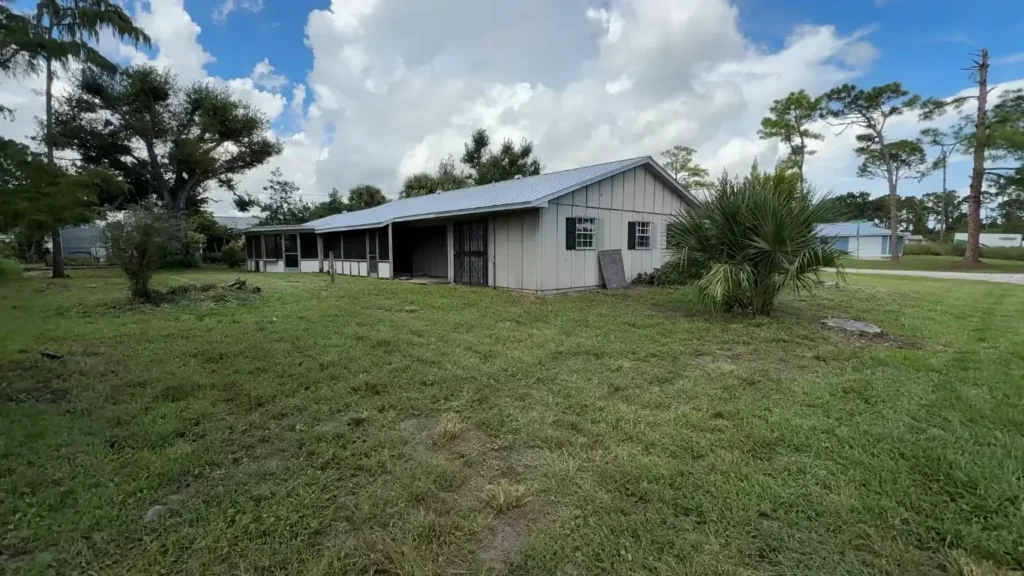
Local soil turns hard fast. Once compacted, it blocks the basics the grass needs. Shallow roots form. Heat damages them quicker. Dry spells hit harder. Weeds move into the thin spots.
Aeration breaks that cycle. The holes let rain and irrigation move deeper. Roots grow down instead of staying near the surface. The lawn holds up better through summer and recovers faster after stress.
Skipping aeration for years leaves the same problems returning. Fertilizer sits on top. Water pools or runs off. The grass never reaches its full strength.
How Core Aeration Works
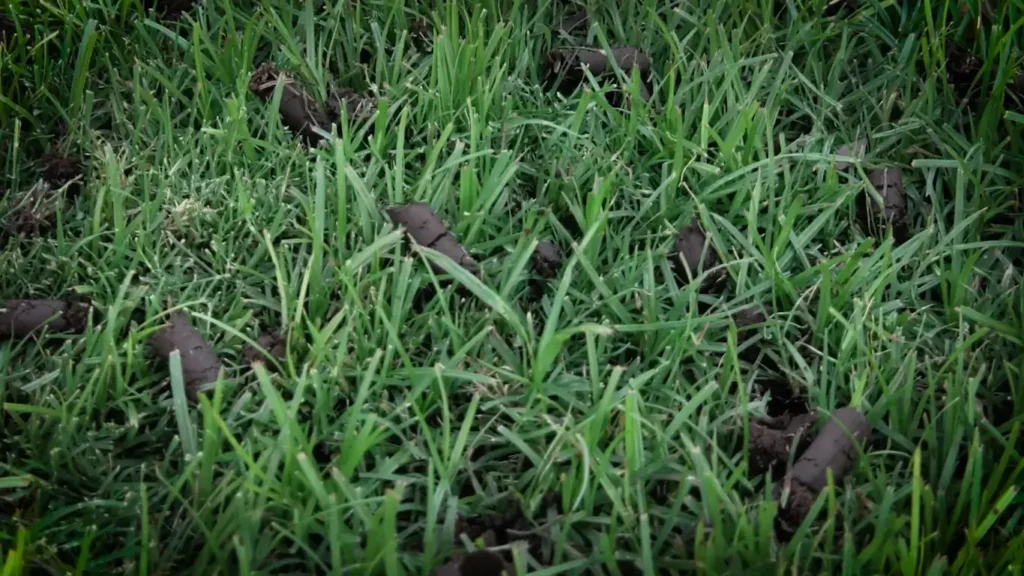
A machine pulls small plugs of soil out of the ground and leaves them on the surface. Those plugs break down over time and return organic matter. The holes stay open long enough for air and water to move into the root zone.
The process works best when the grass is actively growing. Roots can then expand into the new space. Timing matters more than most people realize.
The yard looks a bit rough right after the visit. The plugs are visible for a short time. They disappear as they break down. The long-term gain outweighs the short-term appearance.
Best Time for Aeration in Abilene
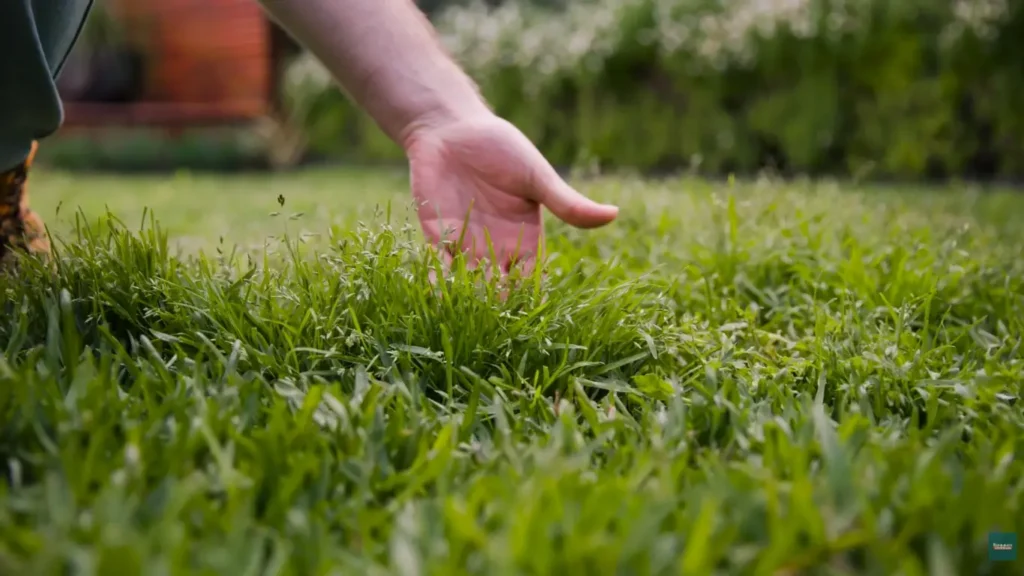
Warm-season grasses respond best when they are growing strong. Late spring into early summer usually gives the best window. The soil is warm. The grass can fill in the holes quickly.
Fall can work in some cases, but spring and early summer give stronger recovery in this climate. Avoid aerating when the grass is dormant or under heavy heat stress.
Pairing aeration with other care often multiplies the benefit. A light feeding after the holes are open helps the roots take advantage of the new access to nutrients.
Signs a Lawn Needs Aeration
- Water sits on the surface after rain or irrigation.
- The ground feels hard underfoot.
- Grass stays thin even with regular mowing and feeding.
- Bare or weak spots keep returning in the same areas.
- Heavy foot traffic or clay soil has been present for years.
Any of these point to compaction. Aeration addresses the root cause instead of just treating the surface symptoms.
What to Expect on Service Day
The crew arrives in the scheduled window. The machine moves across the lawn in a pattern that covers the main areas. Plugs come out and stay on the surface.
After the work finishes, the yard will show the open holes and the soil plugs. This is normal. Keep foot traffic lighter for a few days if possible. Water as usual once the soil allows.
Most lawns begin showing stronger color and density within a few weeks as the roots respond.
Common Questions About Lawn Aeration
Ready to Open Up the Soil?
Compacted clay limits what the grass can do. Aeration gives the roots room to work again. The lawn grows thicker, handles heat better, and uses water more efficiently.
Call +1 (325) 332-3300 or request the exact price for your property. The crew handles the work and leaves the soil ready for stronger growth.