How to Water Your Lawn in Abilene, TX
Watering is one of the most misunderstood parts of lawn care in Abilene. Too little and the grass thins out. Too much and roots stay shallow while water runs off the hard clay.
Most lawns fail because of the watering method, not the amount of water alone. Here is a clear approach that works in this climate.
The Biggest Watering Mistake
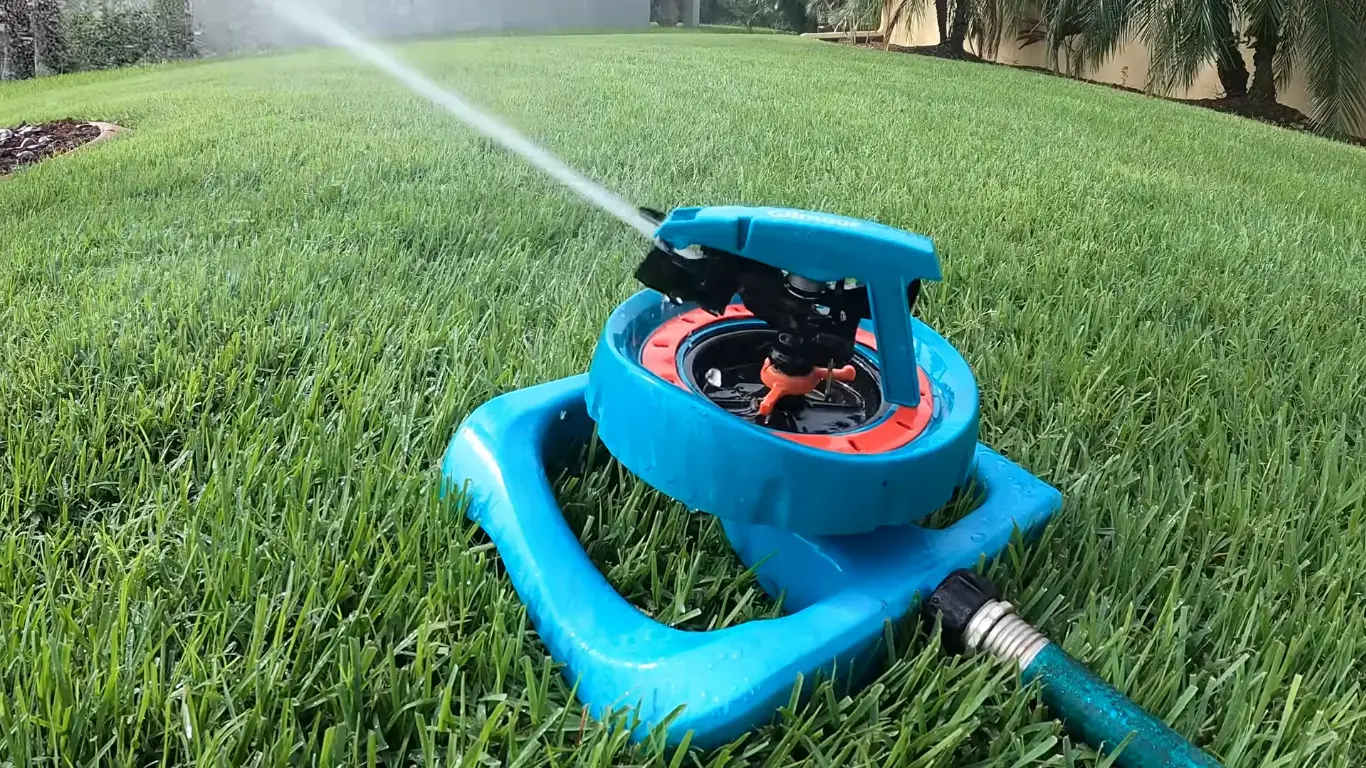
Light, frequent watering is the most common error. Sprinkling for a short time every day keeps moisture near the surface. Roots never grow deep. When temperatures climb, the shallow roots cannot reach water and the lawn stresses quickly.
Deep and infrequent watering works better. It pushes roots downward and helps the grass survive dry stretches.
How Much Water Does an Abilene Lawn Need?
Most established lawns need about one to one-and-a-half inches of water per week during summer, including rainfall.
That total can come from irrigation, rain, or a mix of both. During cooler periods in spring and fall, the need drops. In winter, warm-season grasses go dormant and usually need little or no extra water.
Best Time to Water
Early morning is the best window. Watering between 4 a.m. and 9 a.m. reduces evaporation and gives the grass time to dry during the day.
Midday watering wastes water to heat and wind. Evening watering leaves the grass wet overnight and can encourage disease in some conditions.
How to Tell If the Lawn Needs Water
Do not water on a fixed timer alone. Check the soil and the grass.
Push a screwdriver or soil probe into the ground. If it stops hard at four or five inches, the soil is dry and needs water.
Grass also shows clear signs. Blades fold or roll. Color shifts to a dull gray-green. Footprints remain visible longer than normal.
Watering on Clay Soil
Abilene clay holds water but also resists it when compacted. Water often runs off before it soaks in.
Apply water in shorter cycles with breaks between them. This lets the soil absorb moisture instead of shedding it. Aeration helps long-term by opening the ground so water can move deeper.
Adjusting for Grass Type
- Bermuda handles heat and drought better once established. It still needs consistent deep watering in peak summer.
- Zoysia prefers steady moisture but does not like constant wet feet.
- Buffalograss needs the least water of the common options.
- St. Augustine requires more frequent attention and struggles in full sun with limited water.
Match the watering approach to the grass that is actually growing in the yard.
Simple Watering Guidelines for Abilene
- Target 1 to 1.5 inches per week in summer
- Water early in the morning
- Prefer deep, less frequent sessions over daily light sprinkles
- Check soil moisture before watering
- Follow city restrictions
- Use cycle-and-soak on clay soil to reduce runoff
- Raise mowing height during heat to reduce water loss
When Watering Alone Is Not Enough
Some lawns stay thin even with correct watering. Compacted soil, wrong grass type, heavy weed pressure, or nutrient issues often play a role.
Aeration opens the soil. Proper mowing height reduces stress. Timed fertilization and weed control support thicker growth. Watering works best when these other factors are also handled.
Final Thoughts
Correct watering is one of the highest-impact changes most Abilene homeowners can make. Deep and infrequent sessions build stronger roots. Early timing reduces waste. Checking the soil prevents both underwatering and overwatering.
Lawns that receive water the right way stay thicker, recover faster from heat, and need less emergency care later in the season.
If the lawn is still struggling despite good watering habits, call your number or request the exact price for an evaluation. Consistent care usually improves results more than increasing water volume alone.