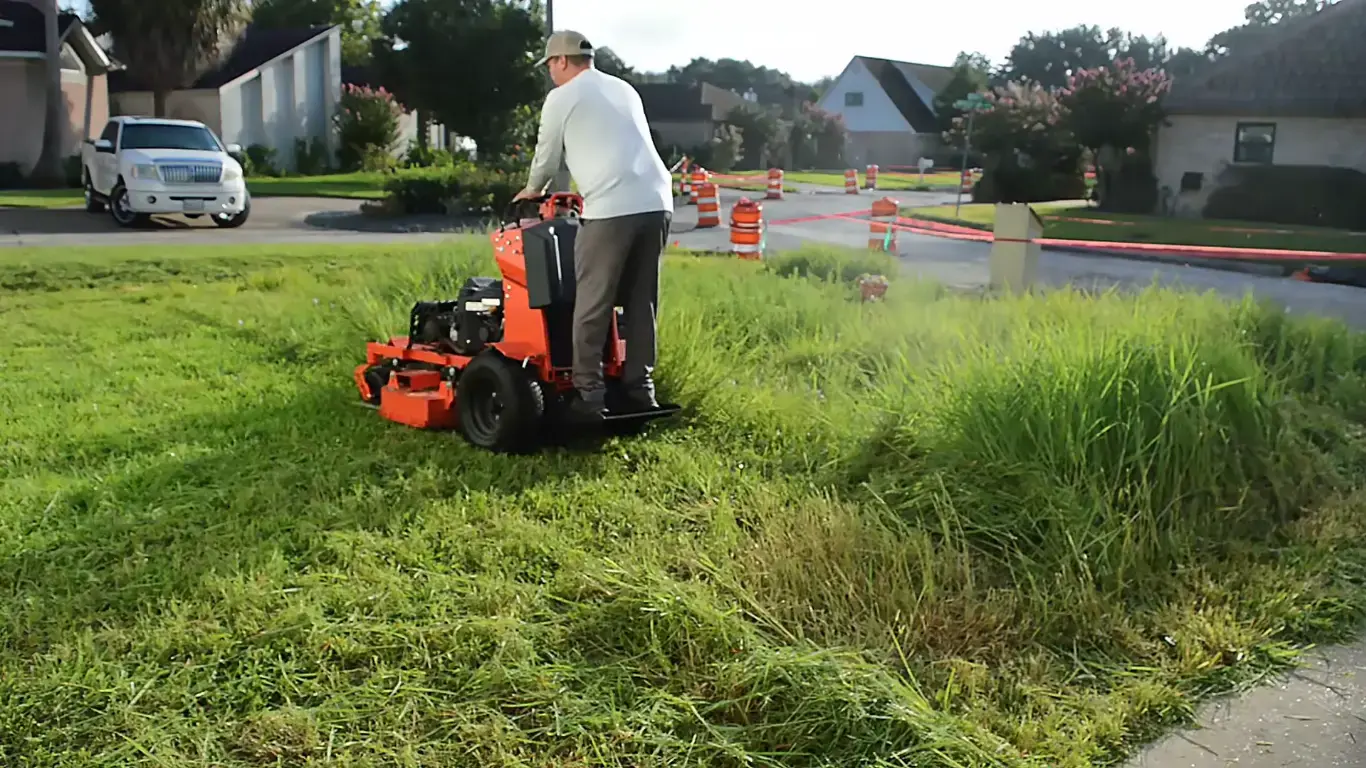
How Often Should You Mow Your Lawn in Abilene, TX?
Abilene heat makes grass grow fast. Miss a week or two and the yard quickly looks rough. Edges soften. Weeds find open space. The lawn starts to thin.
Most people guess at the right schedule. That usually leads to either cutting too often or waiting too long. Both cause problems in this climate.
Here is a clear, practical answer based on how grass actually grows in Abilene.
The Short Answer
Most Bermuda lawns in Abilene need cutting every 7 to 10 days during peak growth.
That window covers the hottest part of the year when the grass pushes hard. In early spring and late fall, you can often stretch it to every 10 to 14 days.
Waiting a full three or four weeks almost always turns a normal mow into recovery work.
Why Frequency Matters More Here Than in Milder Climates
Abilene summers are long and hot. Bermuda grass loves the heat and grows aggressively once temperatures stay high.
When grass gets too tall, several things happen at once:
- The lower blades get shaded and weaken
- Roots stay shallower
- Moisture escapes faster from the soil
- Weeds move into any thin spots
Cutting on a steady schedule removes only a small amount each time. The plant stays stronger. The lawn recovers better after dry stretches and heat waves.
Best Mowing Schedule by Season
Spring
Growth starts picking up in March and April. Begin regular cutting once the grass is actively growing. Every 7 to 10 days usually works once the season is fully underway.
Summer
This is peak season. Most lawns need cutting every 7 to 10 days. In periods of heavy rain or very fast growth, some yards need it closer to every 7 days.
Fall
Growth slows as temperatures drop. You can often move to every 10 to 14 days. Keep cutting until the grass stops growing.
Winter
Warm-season grasses go dormant. Mowing is rarely needed unless something specific requires it.
Correct Cutting Height for Abilene Grass
Height is just as important as frequency.
- Bermuda: 1 to 2 inches
- Zoysia: 1 to 2.5 inches
- St. Augustine: 2.5 to 4 inches
Never remove more than one-third of the blade in a single cut. Cutting too short in summer heat stresses the lawn and slows recovery. Raising the mower deck slightly during extreme heat helps the grass handle stress better.
Sharp blades also matter. Dull blades tear the grass instead of cutting it cleanly. Torn tips turn brown and make the lawn look worse even right after mowing.
Signs You Are Waiting Too Long Between Cuts
- Grass is so tall it bends over or flops
- You see a lot of clumps after mowing
- The lawn looks uneven or scalped in spots
- Weeds are becoming more noticeable
- Recovery after cutting takes longer than usual
If any of these show up regularly, shorten the time between visits.
What Affects How Fast Your Lawn Grows
Several local factors change the ideal frequency:
- Recent rainfall
- Fertilizer applications
- Amount of sunlight the yard receives
- Grass type
- Soil condition (compacted clay slows or stresses growth)
Yards that get regular water and feeding often need more frequent cutting than neglected ones.
Simple Rules That Work in Abilene
- Cut every 7–10 days in peak summer.
- Stay within the correct height range for your grass.
- Never cut more than one-third of the blade at once.
- Keep mower blades sharp.
- Adjust the schedule when growth speeds up or slows down.
These rules prevent most of the common problems homeowners face with their lawns here.
Final Thoughts
The right mowing frequency is one of the highest-impact things you can control. In Abilene, consistency beats occasional heavy effort.
Lawns that stay on a regular schedule look better, handle heat better, and need less recovery work later in the season.
If you want the schedule handled for you, call your number or request the exact price for your property. Regular mowing keeps the yard under control without the weekly decision.