Lawn Fertilization in Abilene, TX
Abilene clay and heat put real limits on grass. Nutrients get locked up. Roots stay shallow. Color fades even when the lawn gets cut on schedule.
Fertilization supplies what the soil and grass need at the right time. Stronger roots, thicker growth, and better color follow when the feeding matches local conditions.
Why Fertilization Matters Here
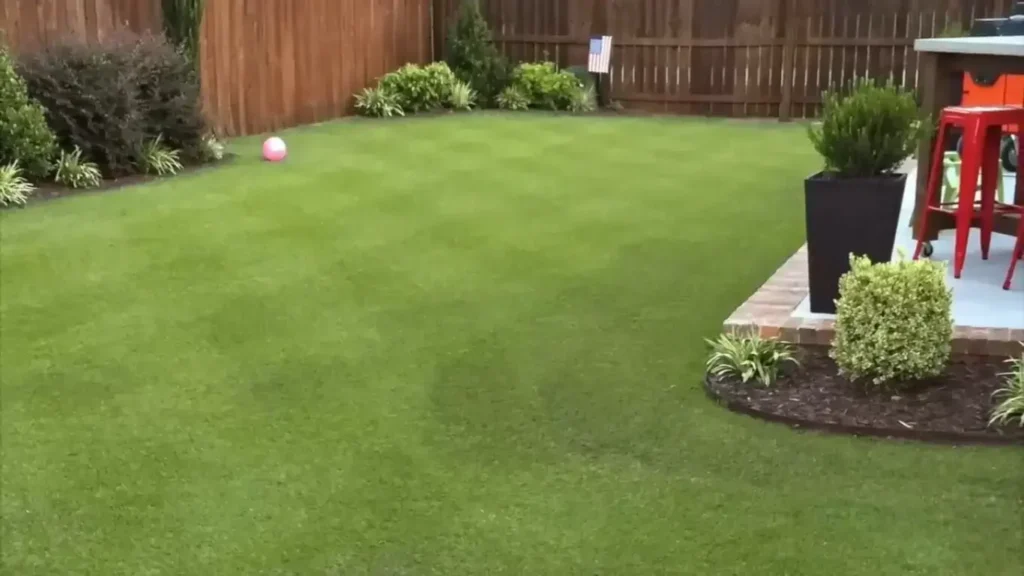
Local soil often runs high in pH. That locks up iron and other nutrients the grass needs. Heat stresses the plant and increases demand for food. Without steady feeding, Bermuda and other warm-season grasses thin out and lose color by mid-summer.
A well-timed fertilizer application gives the lawn the nitrogen, phosphorus, and potassium it can actually use. Roots grow deeper. The turf handles dry stretches better. Thin spots fill in faster.
Skipping feeding for a full season leaves the grass weaker and more open to weeds and stress damage. The difference shows clearly between a fed lawn and one running on empty.
How Fertilization Works for Local Lawns
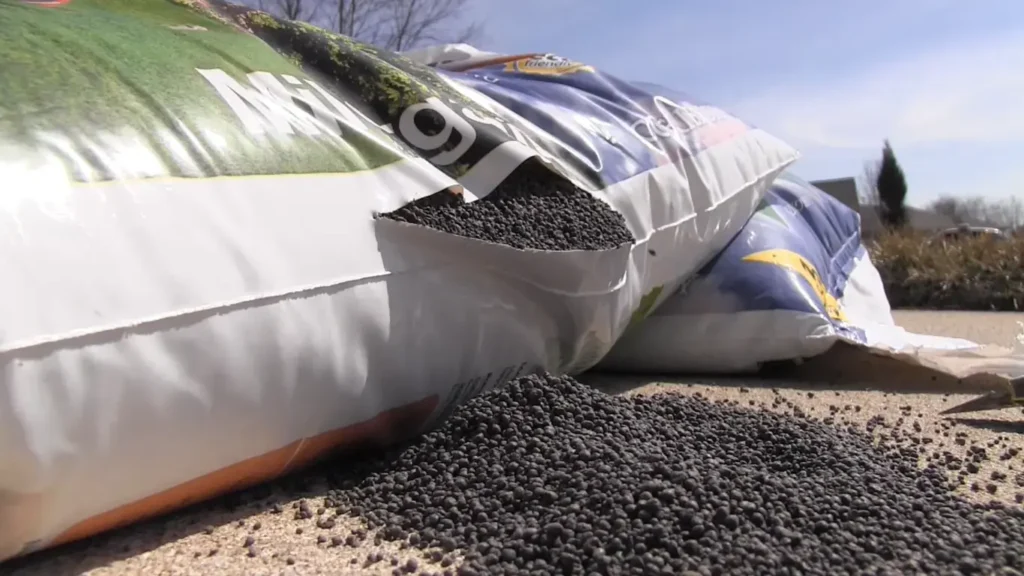
The product goes down according to the grass type, soil condition, and time of year. Different formulas release nutrients at different rates. Some feed quickly. Others release slowly over weeks.
Spring applications support green-up and early growth. Summer feeding helps the lawn hold color and density through heat. Fall applications build root strength before cooler weather arrives.
Over-applying causes problems. Excess nitrogen in extreme heat can burn the grass or push weak top growth. The right amount at the right time produces better results than heavy doses.
Best Timing in Abilene
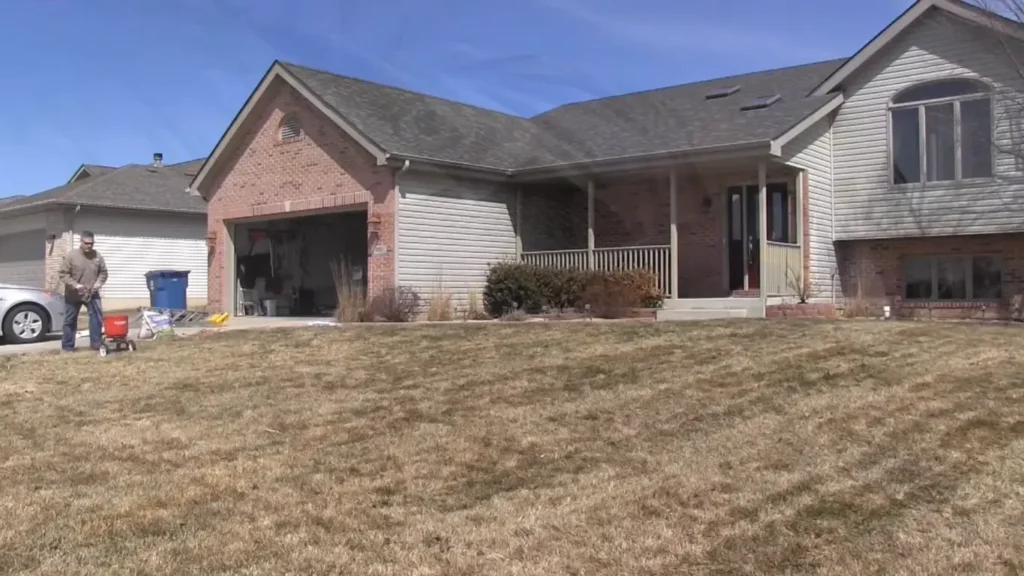
Warm-season grasses respond best when soil temperatures support active growth. Early to mid-spring starts the season. A follow-up in late spring or early summer keeps momentum.
A lighter feeding in early fall helps roots prepare for winter. Avoid heavy nitrogen late in the year when the grass is slowing down.
Weather and current lawn condition also guide the schedule. Extremely hot, dry periods call for caution. Moderate temperatures give cleaner results.
Fertilization and Other Lawn Care
Feeding works best alongside proper mowing height and watering. Tall enough grass shades the soil. Deep watering encourages roots to follow the nutrients down.
Aeration before fertilization opens the soil so more of the product reaches the root zone. Weed control reduces competition so the grass can use the food instead of sharing it with invaders.
Each piece supports the others. Fertilization alone cannot fix compacted soil or chronic weeds, but it strengthens the lawn so those problems become easier to manage.
Common Questions About Lawn Fertilization
Ready to Feed the Lawn Properly?
Grass in this climate needs more than water and cutting. Targeted fertilization supplies the missing pieces so the lawn grows thicker, holds color longer, and stands up to heat.
Call +1 (325) 332-3300 or request the exact price for your property. The application matches Abilene conditions and the current state of the yard.